
Takeaways
- The One Big Beautiful Bill Act (OBBBA), signed into law on July 4, 2025, significantly impacts estate and financial planning.
- The federal estate, gift, and generation-skipping transfer tax exemptions will rise to $15 million per individual starting in 2026. This reduces estate tax exposure for most Americans but doesn't eliminate the need for comprehensive estate planning.
- As of 2028, there will also be an increased cap on home equity for Medicaid long-term care eligibility.
- The OBBBA introduces various other tax and financial provisions, making it essential for you to review your estate plans, tax strategies, and long-term care arrangements with a trusted advisor.
The Passage of the OBBBA
On July 4, flanked by cheering supporters and with military jets soaring overhead, President Donald Trump signed the One Big Beautiful Bill Act (OBBBA) into law.
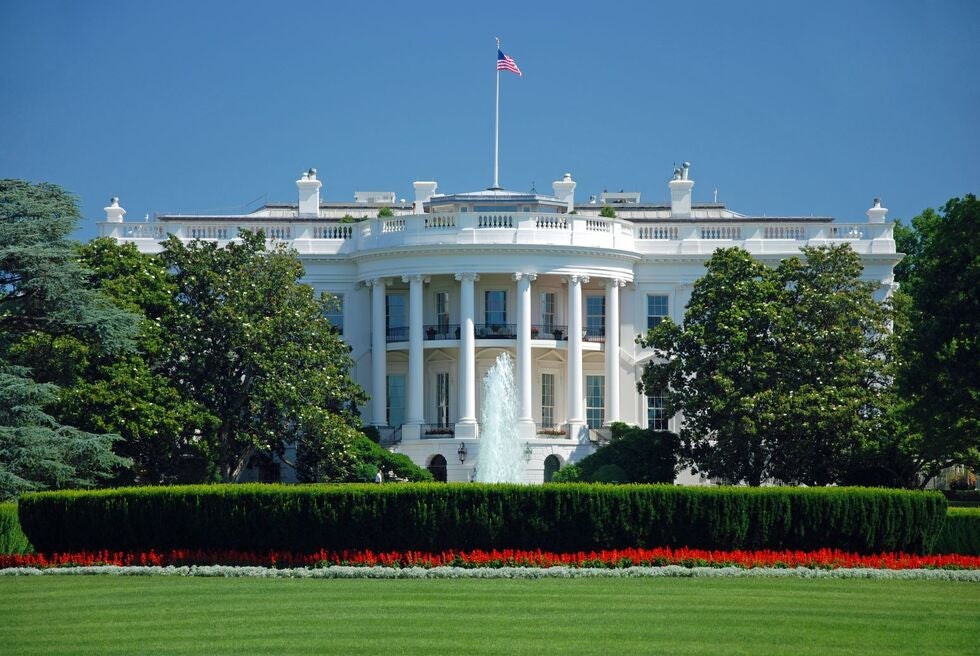
The signing ceremony, part of the Independence Day festivities at the White House, culminated in a fireworks show. But the biggest fireworks may still be ahead as key provisions of the law come into force. From ending the looming gift and estate tax exemption limits to paring Medicaid funding, OBBBA brings changes that directly — and indirectly — impact estate and financial planning.
Continue reading for a breakdown of several top-level takeaways from this “once-in-a-generation” legislation that is poised to shape generational wealth and family plans for decades to come.
The Estate Tax Exemption Gets a Boost — But Planning Is Still Essential
For years, estate planners and high-net-worth families were racing the clock. The 2017 Tax Cuts and Jobs Act (TCJA), passed during Trump's first administration, doubled the federal estate and gift tax exemption, along with the generation-skipping transfer (GST) tax exemption, but only temporarily.
Without action, the exemptions were set to drop back to pre-2017 levels (adjusted for inflation) at the start of 2026 due to a TCJA “sunset” provision that had many scrambling to lock in wealth transfers.
The OBBBA rewrites that narrative. Beginning in 2026, the federal estate, gift, and GST tax exemptions will increase to $15 million per individual (and $30 million per married couple), with inflation adjustments starting in 2027.
- For most Americans, this change means estate tax exposure is unlikely. Even for wealthier families, it removes some of the urgency created by the TCJA's pending expiration.
- The GST exemption will also rise. The GST tax exemption will climb to $15 million, giving families using dynasty trusts or multigenerational planning more breathing room.
- Don't assume your plan is set. State estate taxes, which often have much lower thresholds, remain a concern. And even with a higher exemption, trusts and other estate planning techniques for wealth protection, privacy, and family governance won't become obsolete overnight.
The bottom line: The higher federal limits buy time, but they don't “sunset” the need for a thoughtful, up-to-date estate plan. Now is a good time to review your existing plan to ensure it still aligns with your goals.
While the new exemption limits will probably only impact around 1 to 2 percent (or fewer) of households, they're just one small part of a sweeping, hundreds-of-pages-long law. Whenever tax laws change — and the OBBBA is full of tax changes — it's recommended that you revisit your plan.
Time for “One Big Beautiful” Plan Review
The OBBBA has been called a “tax bill” and a “budget reconciliation bill” but it's really a sweeping overhaul of financial, health care, and estate planning rules. In addition to estate tax changes, the legislation:
- Starting January 1, 2028, OBBBA increases the cap on home equity for Medicaid long-term care eligibility from $730,000 to $1 million. This means families with higher-value homes have a better chance at eligibility.
- Permanently extends TCJA tax cuts and increases the standard deduction
- Introduces a $6,000 deduction for seniors aged 65+
- Creates “Trump Accounts,” a new tax-advantaged savings option for minors
- Allows up to $1,000 ($2,000 married) in charitable contributions to be deducted even if you don't itemize
- Reduces the amount of itemized deductions for high earners
- Imposes a 1 percent federal tax on remittances to foreign countries
These are just a few of the changes tucked into the OBBBA's hundreds of provisions, each of which can ripple into others, affecting everything from gifting strategies and philanthropic plans to business succession and real estate transactions.
The bottom line: With so many moving parts, reviewing your estate plan, tax strategies, and long-term care arrangements has never been more important. A trusted advisor can help you evaluate your current circumstances and plans, understand how the OBBBA might affect them, and adjust strategies if needed.

Comments
There are no comments for this post. Be the first and Add your Comment below.
Leave a Comment